
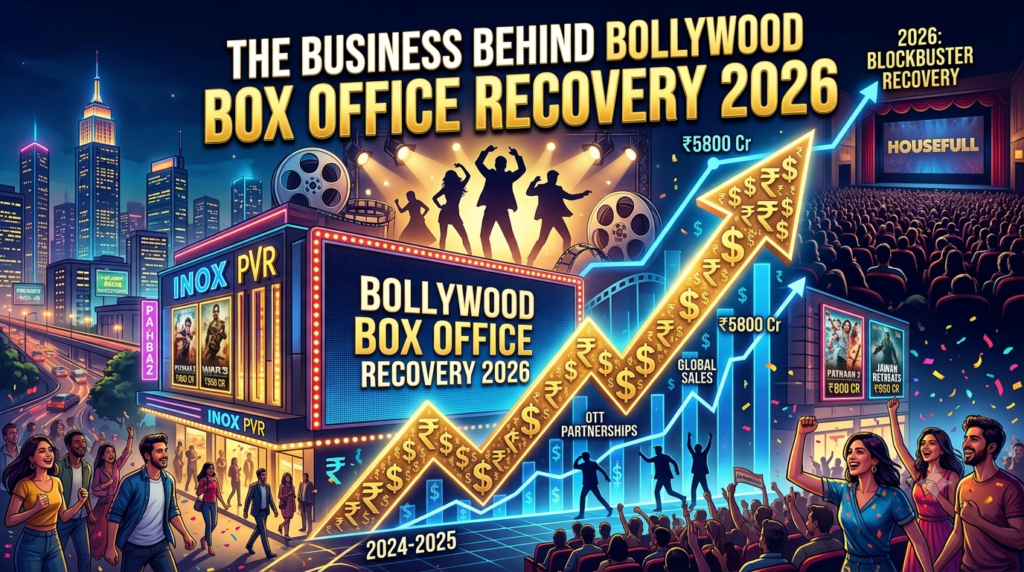
An in-depth industry analysis exploring the key factors behind Bollywood's box office recovery in 2026, including stronger storytelling, strategic marketing, premium cinema experiences, and growing overseas audiences.
After several years of changing audience habits and growing competition from streaming platforms, Bollywood has shown encouraging signs of renewed momentum in 2026. While the industry’s performance continues to vary from one release to another, several films have demonstrated that audiences are willing to return to theatres when offered compelling stories, strong production values, and a meaningful cinematic experience.
Rather than relying on a single reason, Bollywood’s recovery reflects a combination of smarter business strategies, evolving audience expectations, and improved release planning. The industry’s focus has shifted from simply generating large opening weekends to building long-term theatrical value and sustainable revenue streams.
This article explores the business factors contributing to Bollywood’s box office recovery in 2026.
Understanding Box Office Recovery
Box office recovery does not necessarily mean that every film becomes a blockbuster. Instead, it refers to the industry’s ability to regain audience confidence, improve theatrical attendance, and strengthen overall revenue compared with previous periods.
Signs of recovery may include:
- Improved theatre occupancy.
- Better audience retention.
- Consistent performance across multiple releases.
- Stronger overseas earnings.
- Increased investment in theatrical productions.
A healthy film industry depends on sustained performance rather than isolated commercial successes.
Content Has Become the Biggest Competitive Advantage
One of the most noticeable changes in recent years is the growing importance of storytelling.
Today’s audiences have access to entertainment from around the world through streaming platforms. As a result, viewers are becoming more selective about which films they choose to watch in theatres.
Successful releases increasingly share common characteristics:
- Well-developed scripts.
- Memorable characters.
- High production quality.
- Strong emotional engagement.
- Clear audience positioning.
While star power remains valuable, compelling content has become an increasingly important factor in attracting audiences.
Theatrical Experience Still Matters
Streaming has changed viewing habits, but theatres continue to offer experiences that cannot easily be replicated at home.
Large-format screens, advanced sound systems, premium seating, and the shared experience of watching films with an audience continue to attract moviegoers.
Many filmmakers now design movies specifically to maximize theatrical impact through:
- Spectacular visuals.
- High-quality sound design.
- Large-scale action sequences.
- Immersive storytelling.
These elements encourage audiences to choose cinemas for selected films.
Smarter Marketing Campaigns
Marketing strategies have become more targeted and data-driven.
Instead of relying solely on traditional advertising, campaigns now combine multiple channels:
| Traditional Promotion | Modern Promotion |
|---|---|
| Television | Social media campaigns |
| Print advertising | Digital advertising |
| Radio | Influencer collaborations |
| Outdoor media | Short-form video content |
| Press events | Interactive audience engagement |
This integrated approach allows films to reach different audience groups more effectively while measuring campaign performance in real time.
Music Continues to Support Movie Promotion
Music remains one of Bollywood’s strongest promotional tools.
Songs released before a film’s theatrical debut often help:
- Build anticipation.
- Increase digital engagement.
- Expand audience awareness.
- Support trailer campaigns.
- Strengthen brand identity.
A successful soundtrack keeps a film visible throughout its promotional cycle, although music alone cannot determine commercial success.
Strategic Release Planning
Release timing has become increasingly important.
Production companies now carefully evaluate:
- Festival periods.
- School holidays.
- Competition from other releases.
- Major sporting events.
- Regional audience trends.
Choosing the right release window can improve a film’s visibility and reduce direct competition.
Premium Cinema Formats Are Growing
Premium cinema experiences have become an important revenue contributor.
Formats such as IMAX, Dolby Cinema, and other premium large-screen experiences often generate higher average ticket prices while attracting audiences seeking immersive entertainment.
Although premium formats represent a smaller share of total screens, they contribute meaningfully to overall box office revenue for suitable films.
Overseas Markets Continue to Expand
International audiences remain an important part of Bollywood’s commercial ecosystem.
Countries with significant Indian communities often contribute to theatrical performance through:
- Early overseas releases.
- Local marketing campaigns.
- Community engagement.
- Festival screenings.
- Multi-language accessibility.
Strong overseas performance helps diversify revenue sources and strengthens Bollywood’s global presence.
Data-Driven Decision Making
Technology has improved how studios evaluate audience preferences.
Modern production and marketing teams increasingly rely on:
- Audience research.
- Digital analytics.
- Trailer engagement.
- Search trends.
- Social media conversations.
- Regional performance data.
These insights support more informed decisions throughout a film’s production and promotional journey.
The Role of Word of Mouth
Positive audience response remains one of the most influential factors in long-term theatrical performance.
Strong word of mouth can:
- Increase repeat viewership.
- Extend theatrical runs.
- Improve weekend-to-weekday stability.
- Encourage family audiences.
- Generate organic online discussions.
Unlike paid advertising, audience recommendations often carry greater credibility.
Challenges That Still Exist
Despite encouraging signs, Bollywood continues to face important challenges.
These include:
- Intense competition from streaming services.
- Rising production costs.
- Changing audience expectations.
- Increasing marketing expenses.
- Greater competition from regional cinema.
- Balancing creativity with commercial objectives.
Addressing these challenges will require continued innovation and careful business planning.
Looking Ahead
The future of Bollywood will likely depend on maintaining audience trust through quality filmmaking while embracing technological innovation.
Emerging trends include:
- AI-assisted production workflows.
- More personalized digital marketing.
- Expanded international collaborations.
- Stronger focus on original storytelling.
- Data-informed release planning.
These developments could further strengthen the industry’s long-term sustainability.
Conclusion
Bollywood’s box office recovery in 2026 reflects more than improved ticket sales. It represents an industry adapting to new audience expectations, evolving technologies, and changing market dynamics.
Quality storytelling, strategic marketing, thoughtful release planning, premium theatrical experiences, and global audience engagement have all contributed to this renewed momentum.
While challenges remain, Bollywood’s ability to evolve suggests that long-term success will depend less on individual blockbusters and more on consistently delivering films that audiences consider worth experiencing on the big screen.