

Tarsem Jassar: A Voice of Authentic Storytelling in Punjabi Cinema
Tarsem Jassar has emerged as one of the most influential artists in modern Punjabi cinema. Through culturally rooted storytelling, impactful performances, and his journey from singer to actor, he has played an important role in strengthening the identity and global reach of Pollywood.
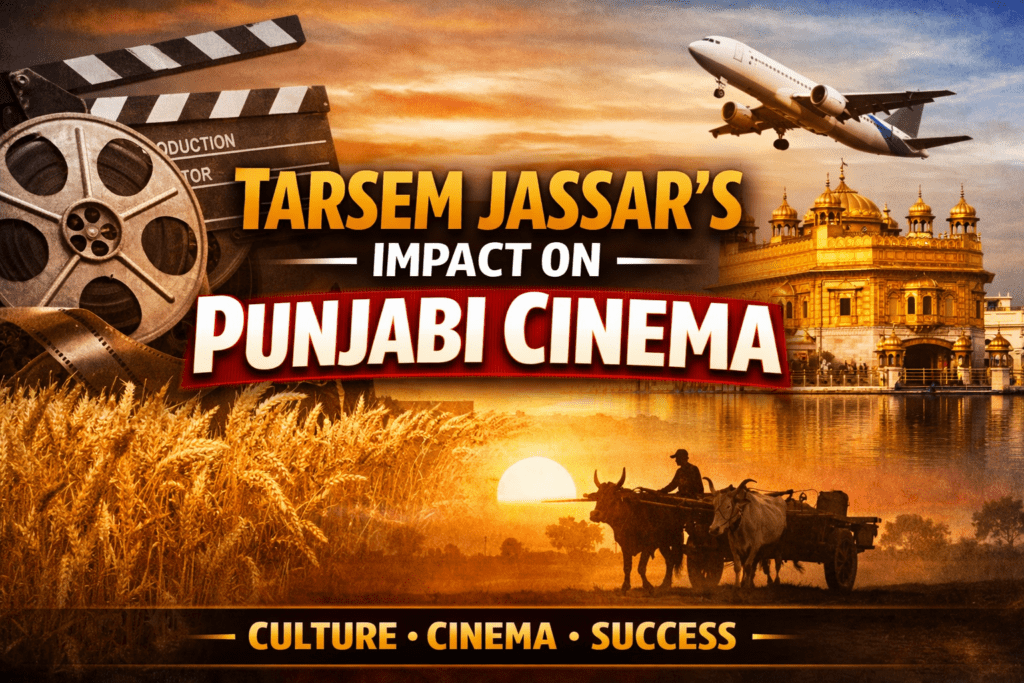
Illustration representing Tarsem Jassar’s cultural and cinematic influence on the growth of Punjabi cinema.
Punjabi cinema has grown rapidly in recent years, gaining recognition not only in India but also in international markets. Many artists have contributed to this growth, but few have done it with the same authenticity and cultural connection as Tarsem Jassar. Known for his meaningful lyrics, grounded personality, and culturally rich films, Tarsem Jassar has become one of the most respected figures in modern Pollywood.
Unlike many mainstream entertainers, his work often reflects real Punjabi life, traditions, and values. Through both music and cinema, he has helped bring stories of rural Punjab and everyday struggles to the big screen.
From Music to Movies
Tarsem Jassar first gained recognition in the Punjabi music industry. His songs quickly stood out because of their strong lyrics and connection with Punjabi culture. Instead of focusing only on commercial trends, he often wrote about identity, hard work, and pride in one’s roots.
This honest approach helped him build a loyal audience. As his popularity in music grew, it became natural for him to step into films. Many Punjabi singers have tried acting, but Jassar managed to make a smooth transition because his storytelling style already connected strongly with audiences.
His ability to express emotion through both lyrics and performance made him a natural fit for cinema.
Breakthrough With Rabb Da Radio
Tarsem Jassar’s breakthrough in Punjabi films came with the success of Rabb Da Radio. The film was widely appreciated for its emotional depth and its realistic portrayal of family relationships in rural Punjab.
The story focused on traditional values, respect within families, and the everyday struggles of village life. Audiences connected deeply with the characters because they felt real and relatable.
Following the success of the first film, the sequel Rabb Da Radio 2 continued the story and received a positive response as well. Together, these films helped establish Tarsem Jassar as an actor capable of delivering meaningful performances.
Bringing Punjabi Culture to the Screen
One of Tarsem Jassar’s biggest contributions to Punjabi cinema is his commitment to cultural authenticity. Many of his projects highlight rural lifestyles, family traditions, and the emotional bonds that define Punjabi society.
At a time when some films focus mainly on urban stories or fast-paced comedy, Jassar’s work reminds audiences of the beauty and simplicity of traditional Punjabi life. This cultural representation plays an important role in preserving regional identity within cinema.
His films often show real emotions and genuine relationships, which makes them relatable to viewers of different age groups.
A Different Kind of Pollywood Star
Tarsem Jassar represents a different kind of celebrity in Punjabi cinema. Instead of relying on glamour or flashy performances, he focuses on strong storytelling and honest characters.
This approach has helped him build a reputation as an artist who values substance over style. Many viewers appreciate this authenticity, which is why his films often receive strong word-of-mouth support.
His grounded personality also makes him stand out in the entertainment industry, where maintaining a genuine connection with audiences is becoming increasingly important.
Connecting With Global Punjabi Audiences
Punjabi cinema has a strong international audience, especially in countries like Canada, the United Kingdom, and Australia. For many people living abroad, films that highlight Punjabi culture help them stay connected with their roots.
Tarsem Jassar’s stories often reflect this cultural connection. Because his films celebrate traditional values and rural heritage, they resonate strongly with Punjabi audiences living overseas.
This global appeal has helped strengthen the international presence of Punjabi cinema.
Ammy Virk’s contribution to Punjabi films
growth of Punjabi cinema in overseas markets
Balancing Music and Cinema
Another reason for Tarsem Jassar’s continued success is his ability to balance music and acting. While he remains active in films, he also continues to release songs that connect with fans.
Music has always been an important part of Punjabi cinema, and artists who succeed in both fields often maintain stronger visibility. For Jassar, music is not just a promotional tool but an essential part of his creative identity.
This balance allows him to stay connected with audiences in multiple ways.
The Road Ahead
As Punjabi cinema continues to grow, the industry needs artists who can bring meaningful stories to the screen. Tarsem Jassar’s work proves that audiences appreciate films that combine entertainment with cultural depth.
With his dedication to authentic storytelling, he is likely to remain an important part of Pollywood’s future. His journey shows that staying true to one’s roots can still lead to lasting success in the entertainment world.
Conclusion
Tarsem Jassar’s contribution to Punjabi cinema goes beyond acting. Through his music, films, and storytelling choices, he has helped highlight the culture, traditions, and emotional depth of Punjab.
By focusing on authenticity rather than trends, he has carved out a unique space in modern Pollywood. As Punjabi cinema continues expanding globally, artists like Tarsem Jassar will remain essential in preserving the industry’s cultural identity while taking it to new audiences.
Buy Branded Buy Neonwale Neon Sign Lights in India